Matter & Spirit: Time Ball - Katie Paine & Rachel Rovira
SEVENTH Gallery
Curated by Lucie Loy & Sol Fernandez
25th July - 15th August
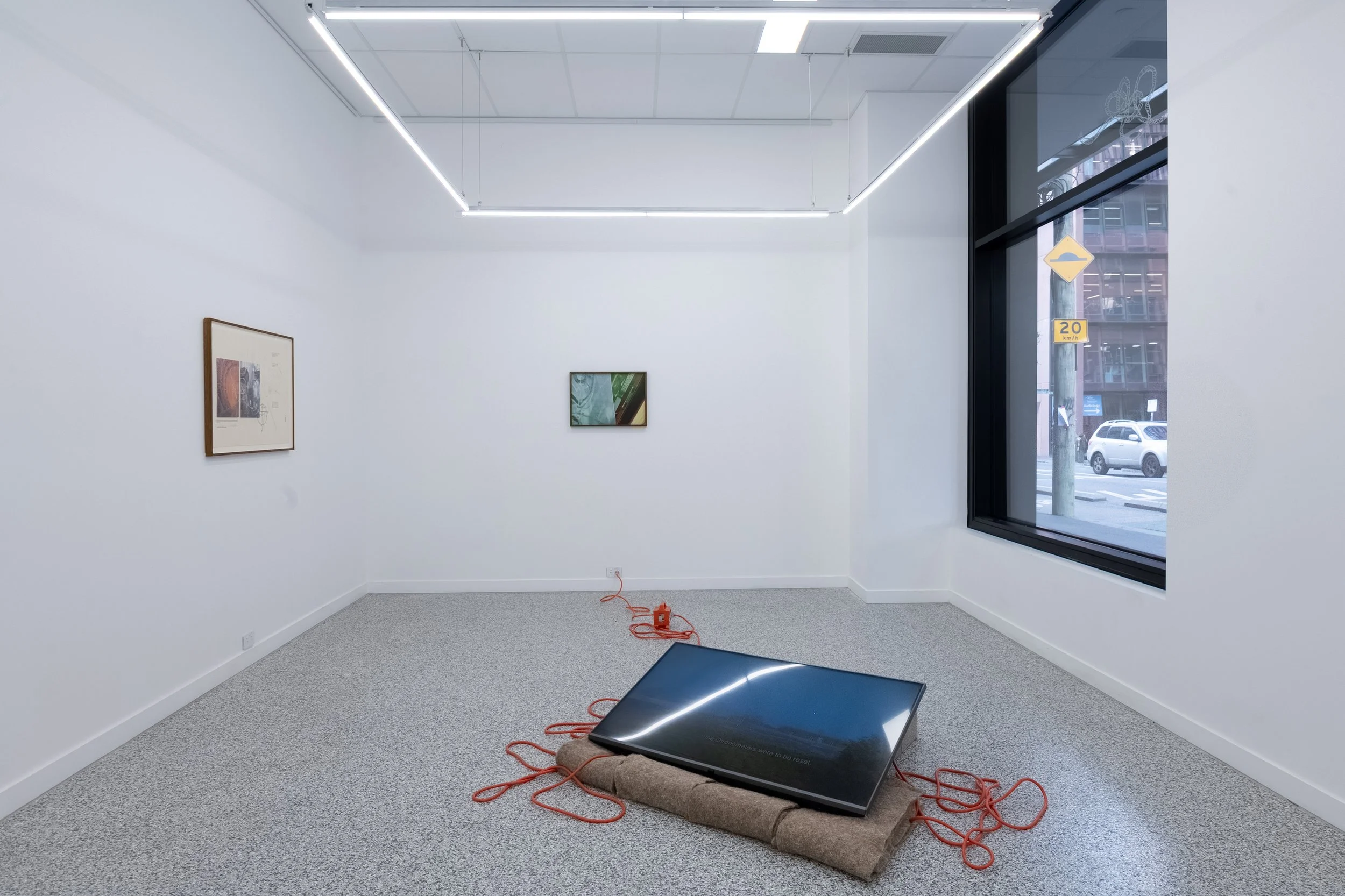
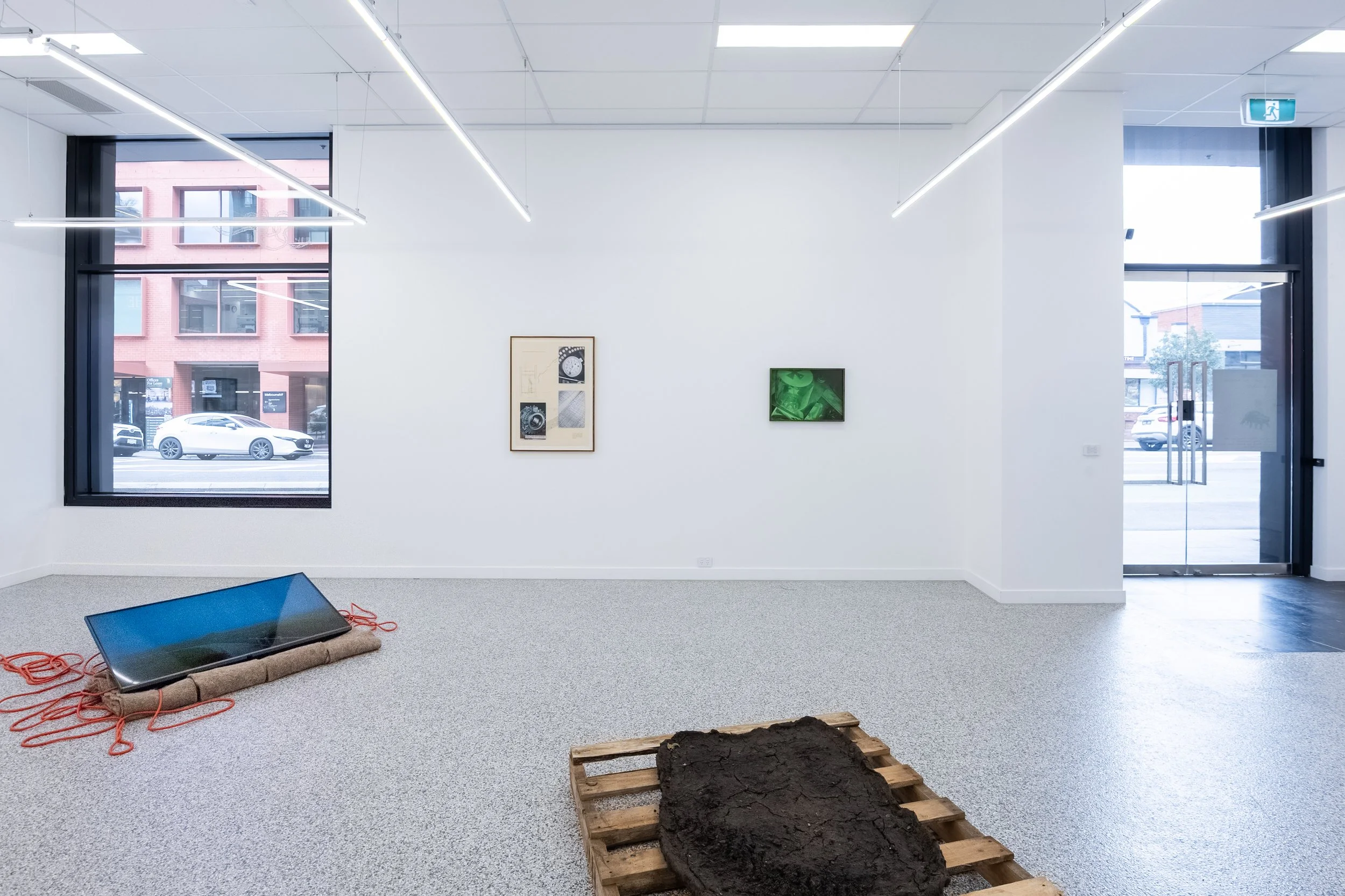
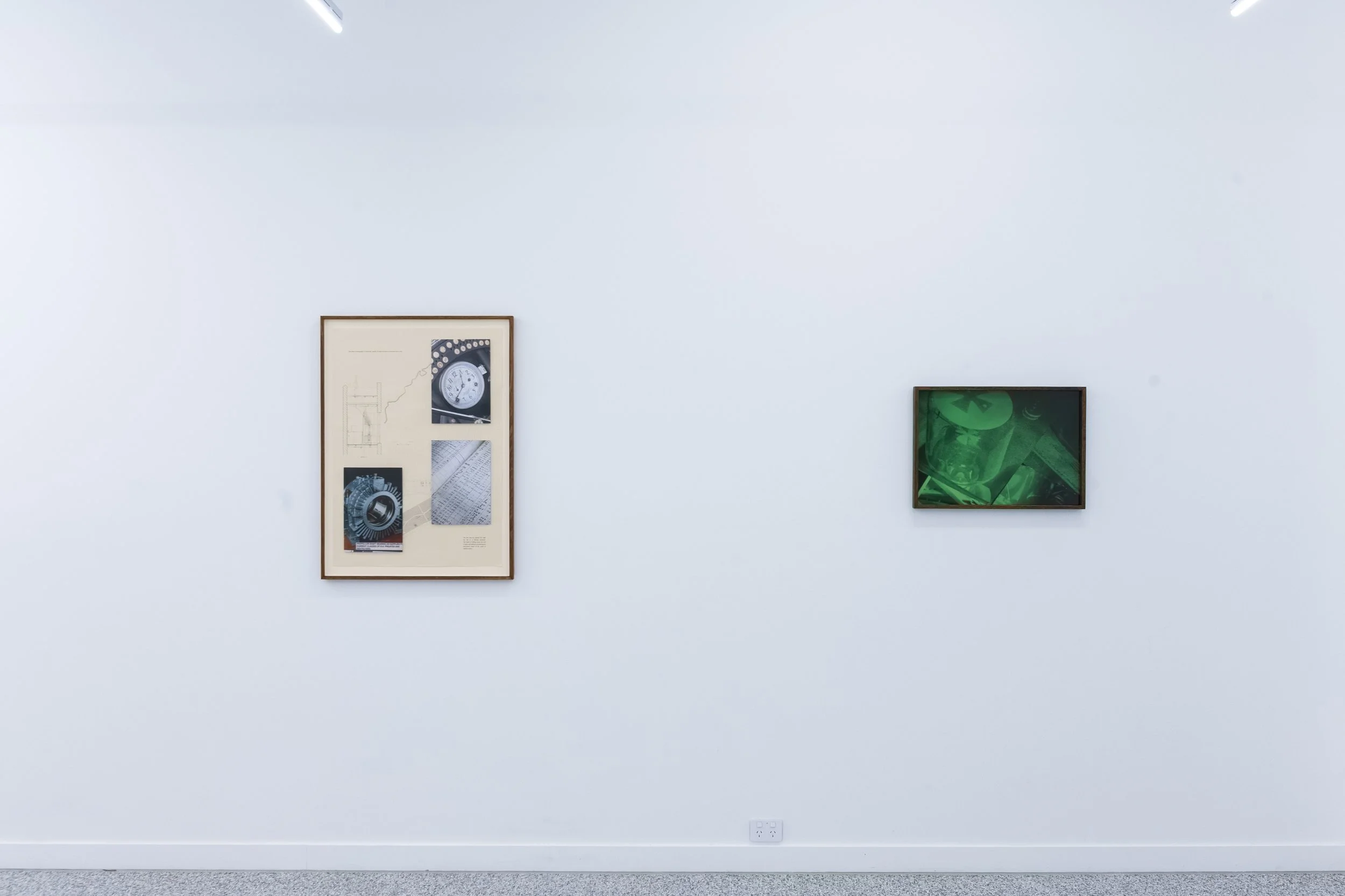
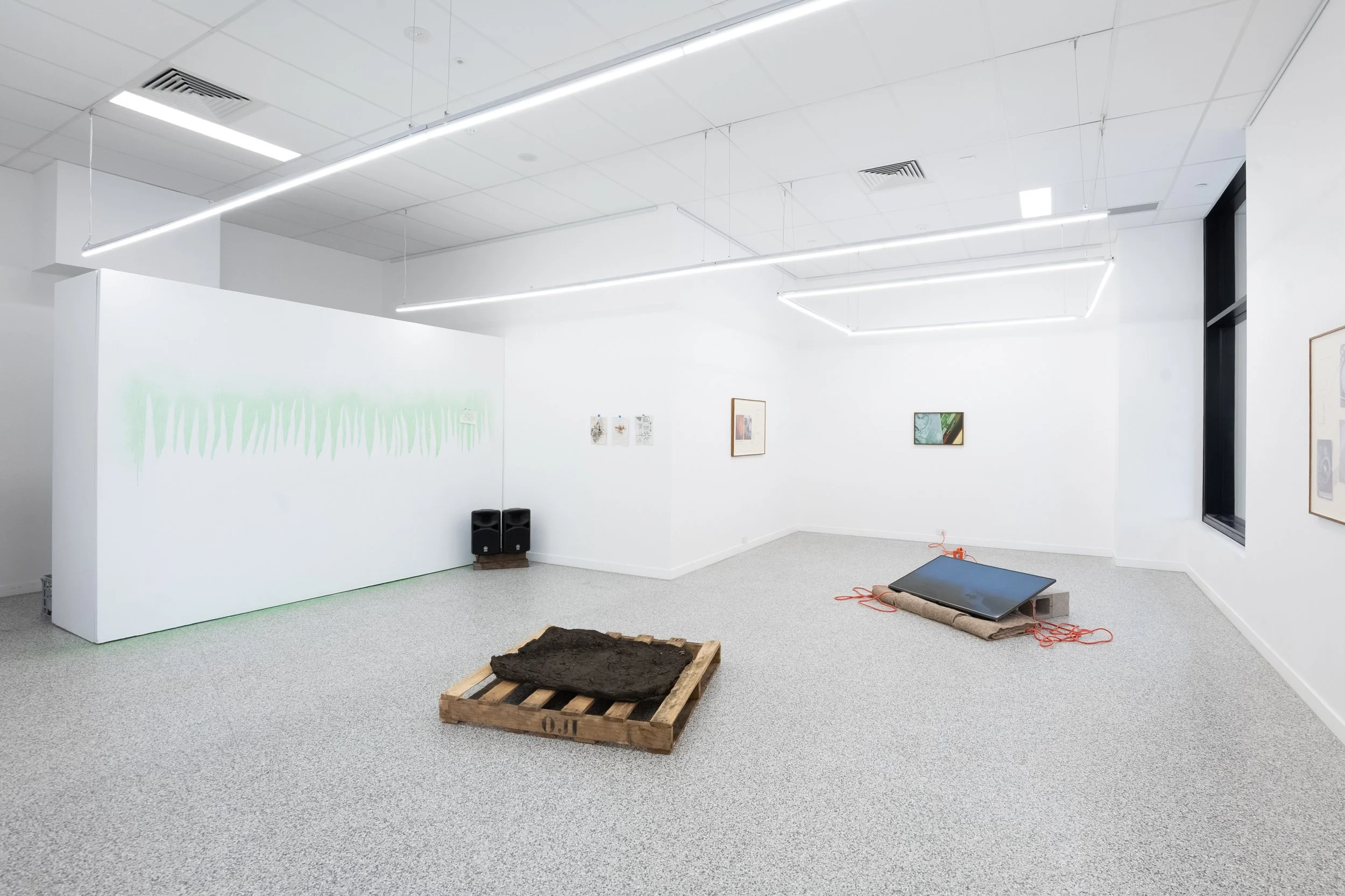
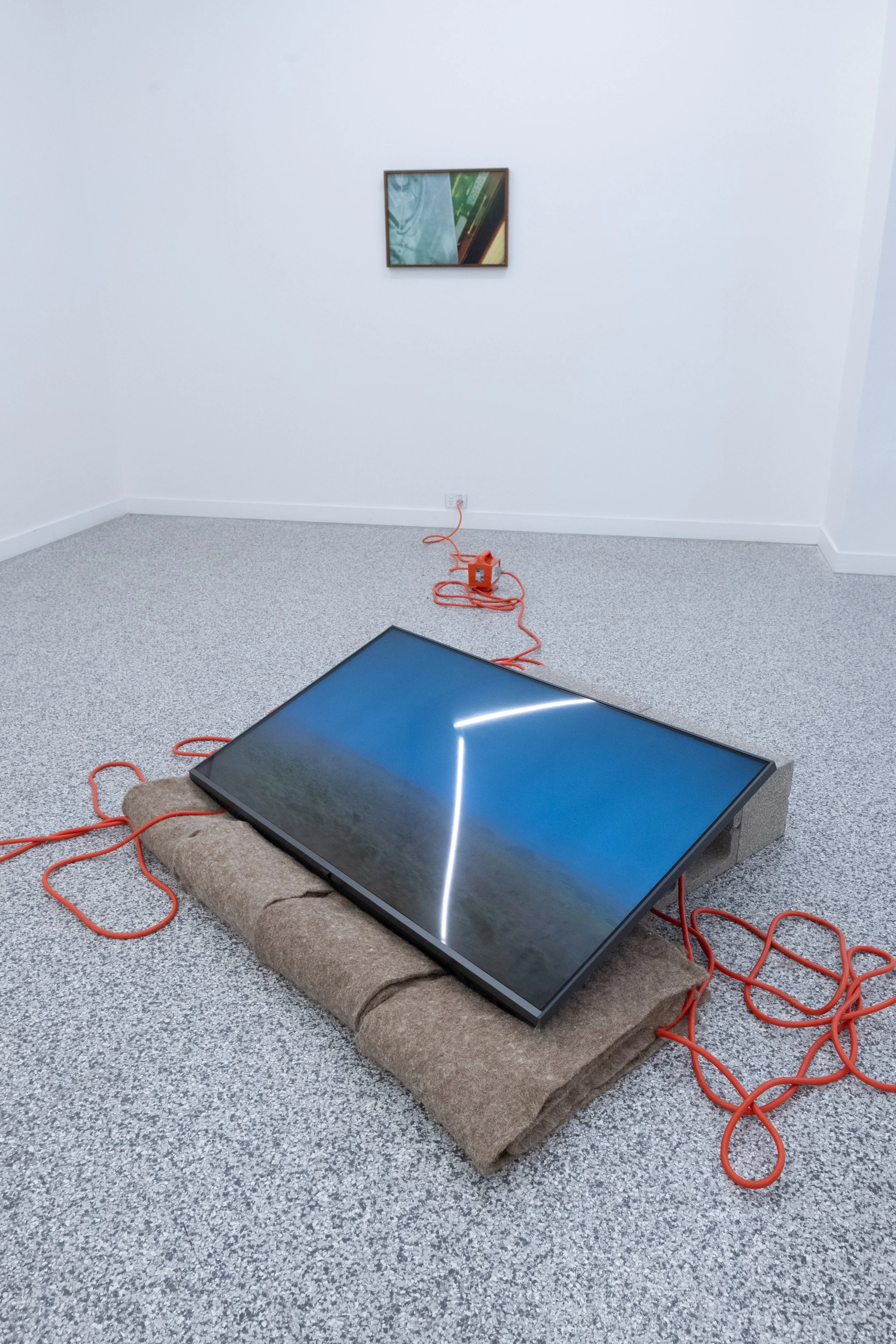
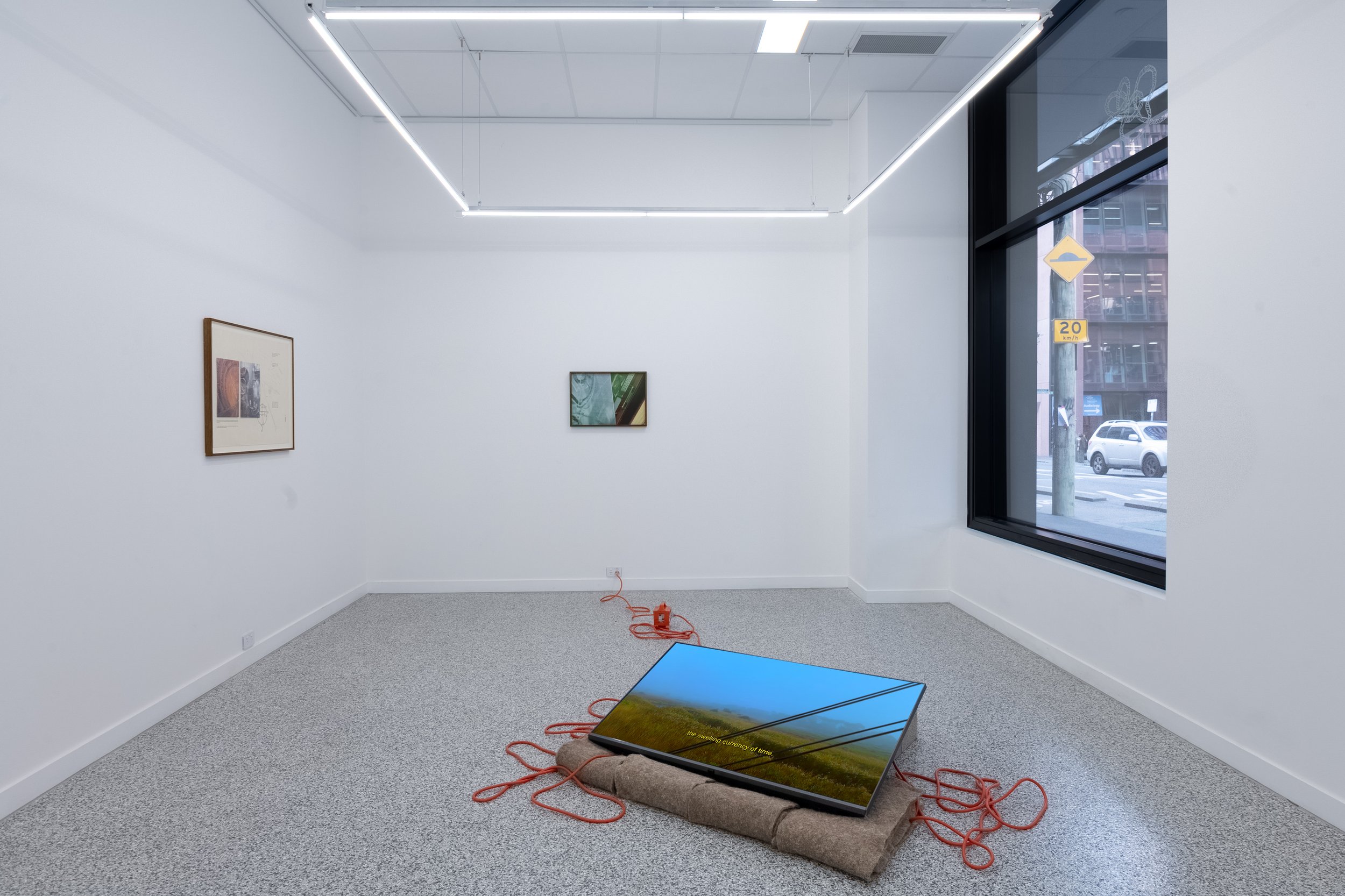
Time girds the earth tight. Day after day, astride minutes and seconds, the hours ride as they must, relentlessly. In the struggle to keep pace with clocks, we are now always and everywhere in a state of jet lag, always catching up with ourselves and with others, slightly short of breath, slightly short of time.
—Raqs Media Collective, "Now and Elsewhere," e-flux journal, no. 12, January 2010.
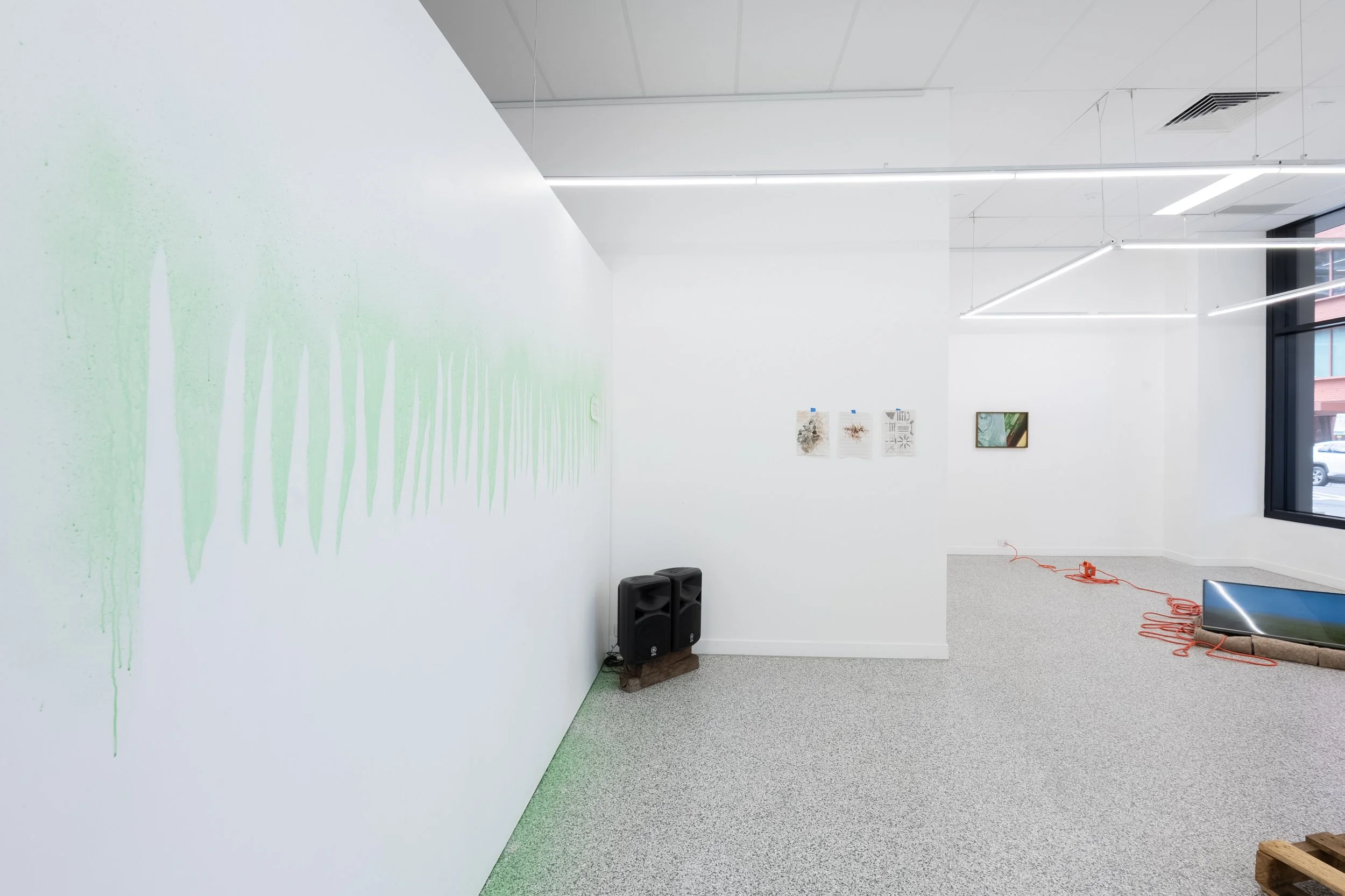
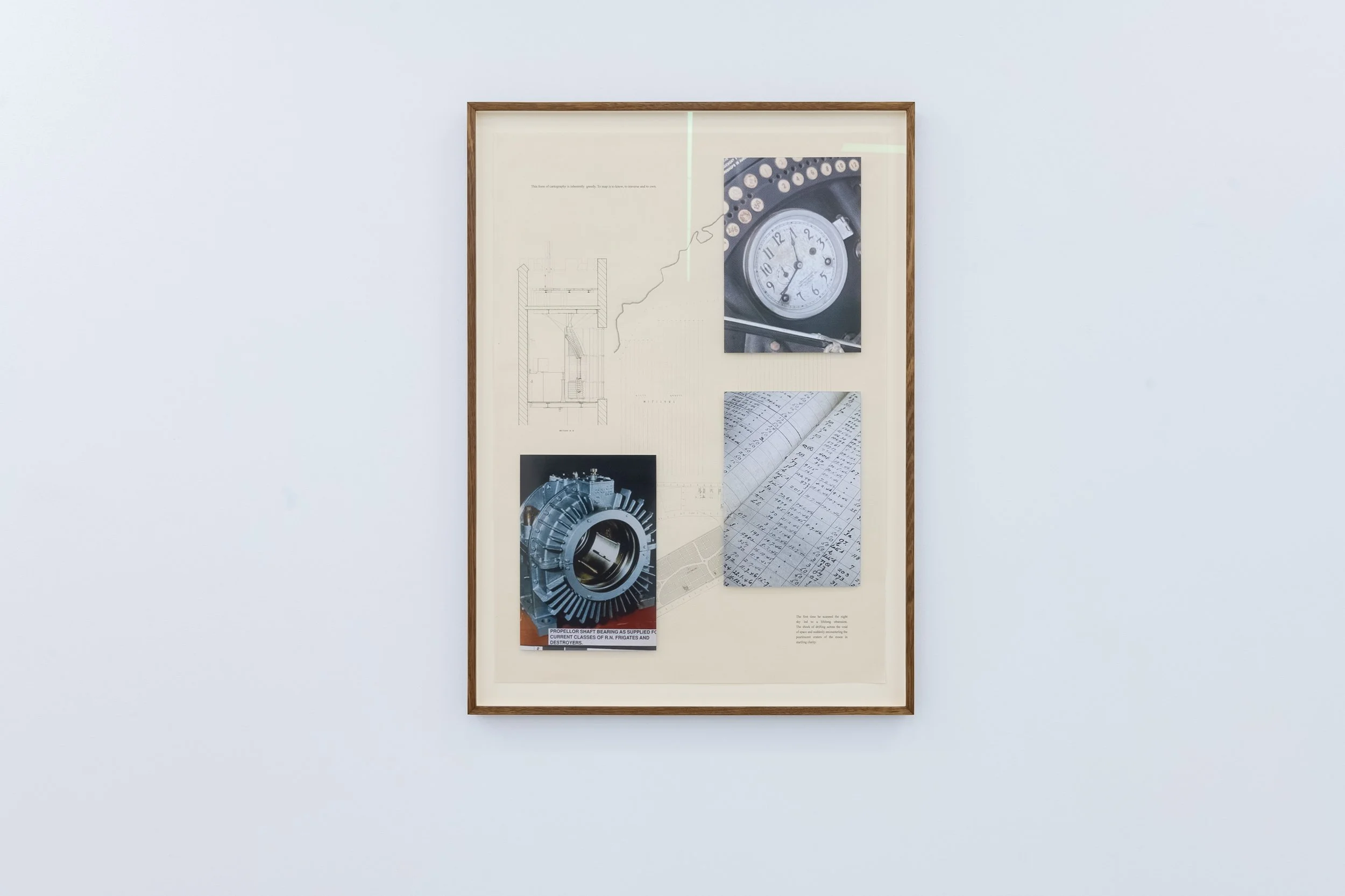
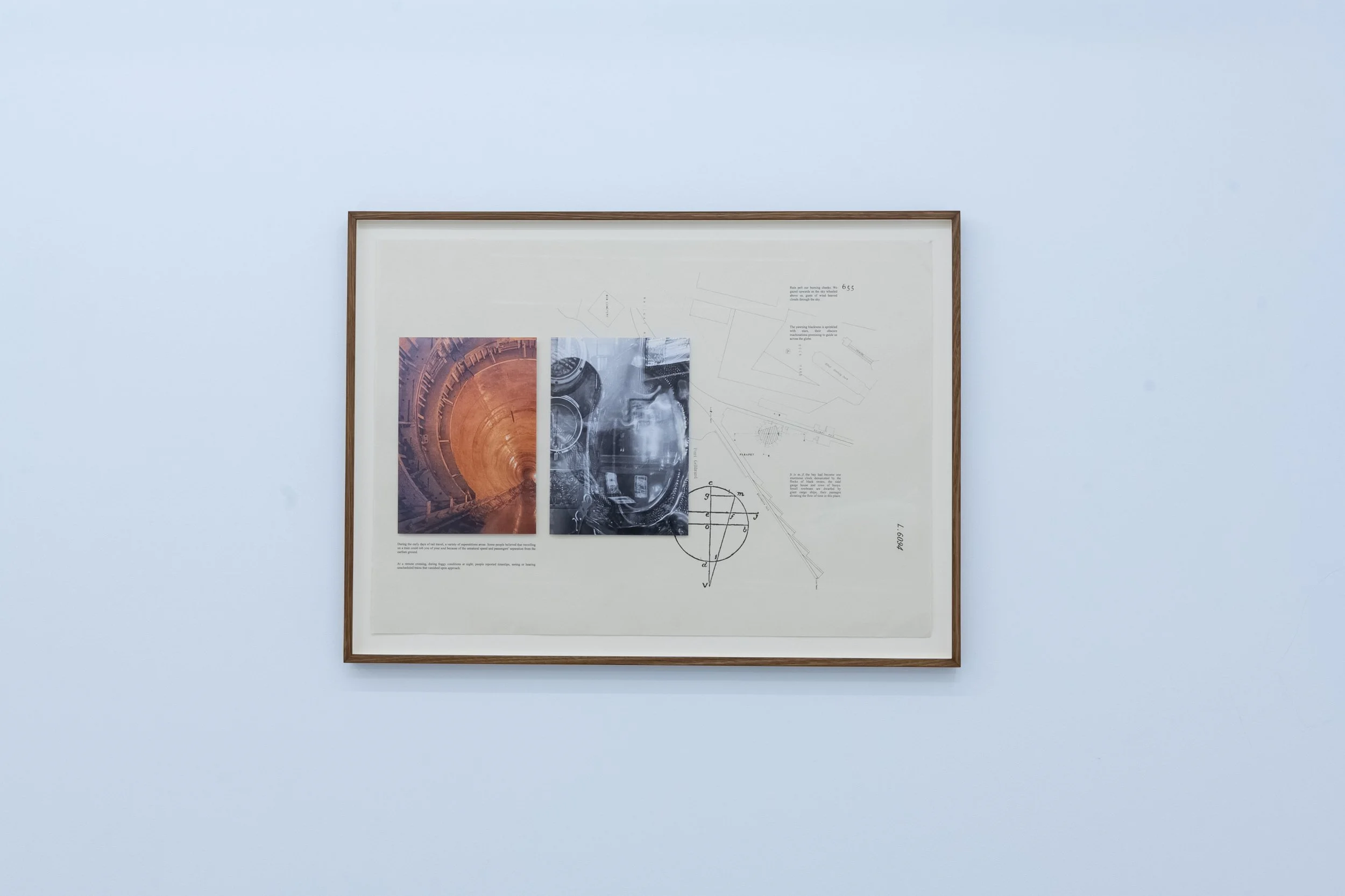
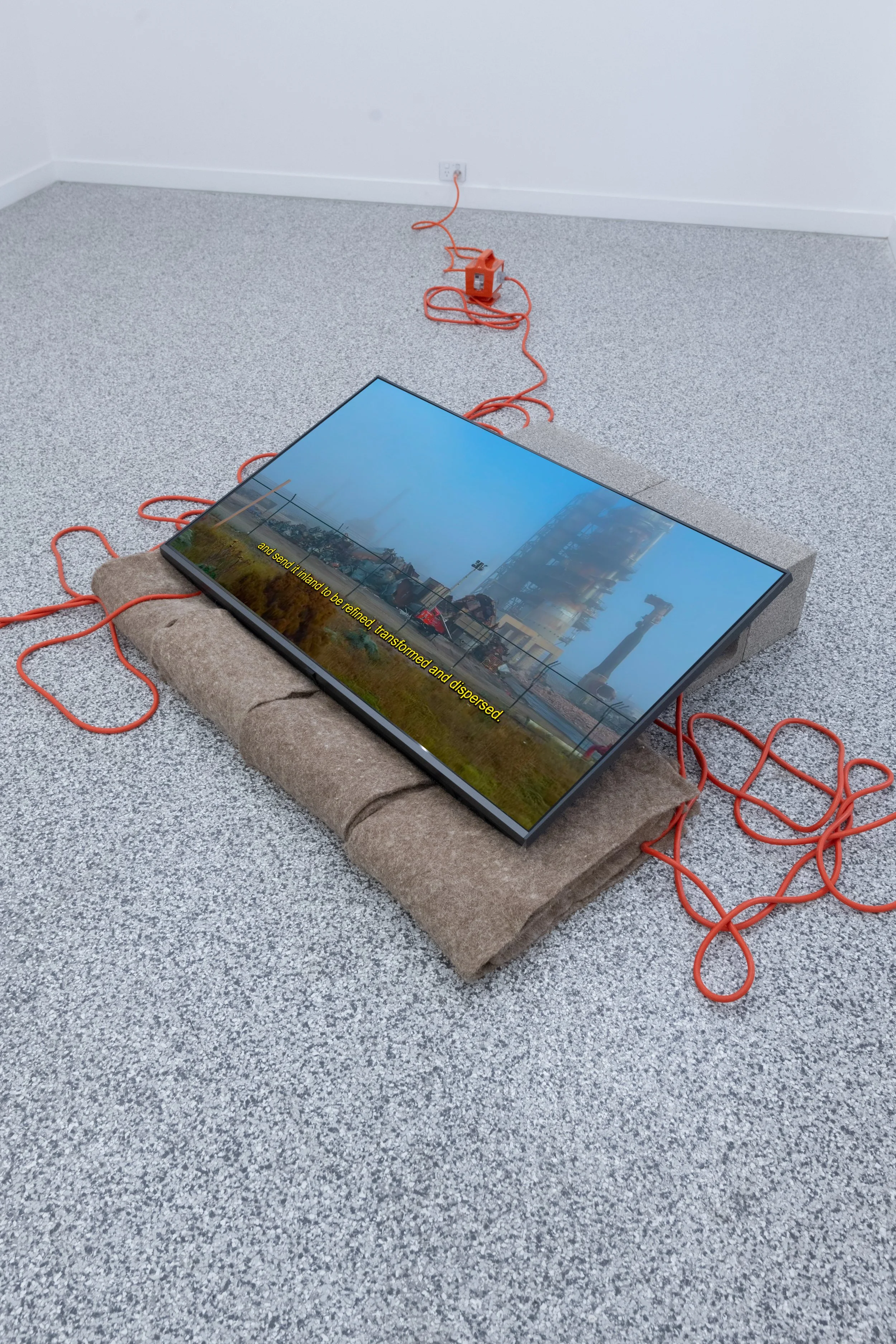
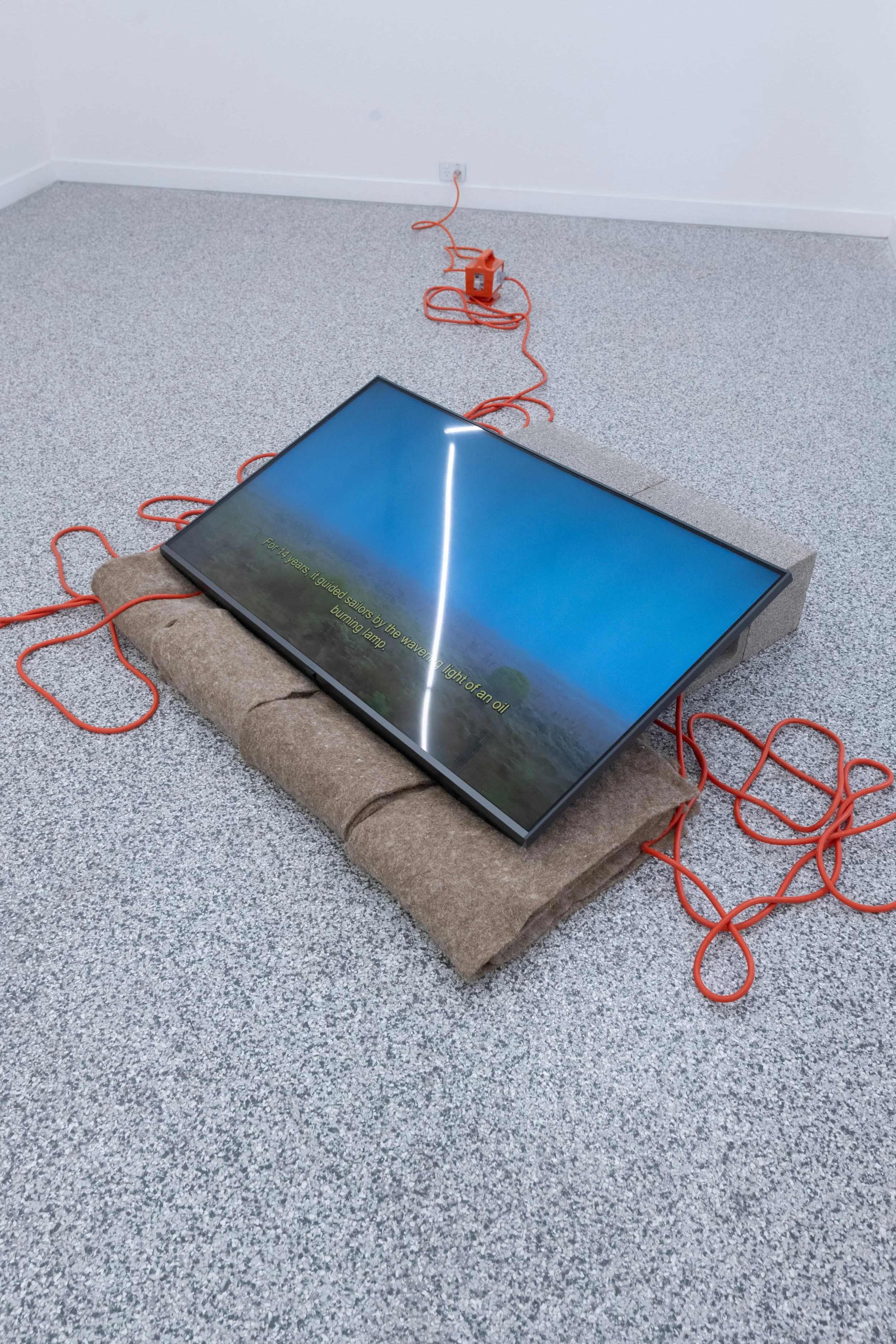
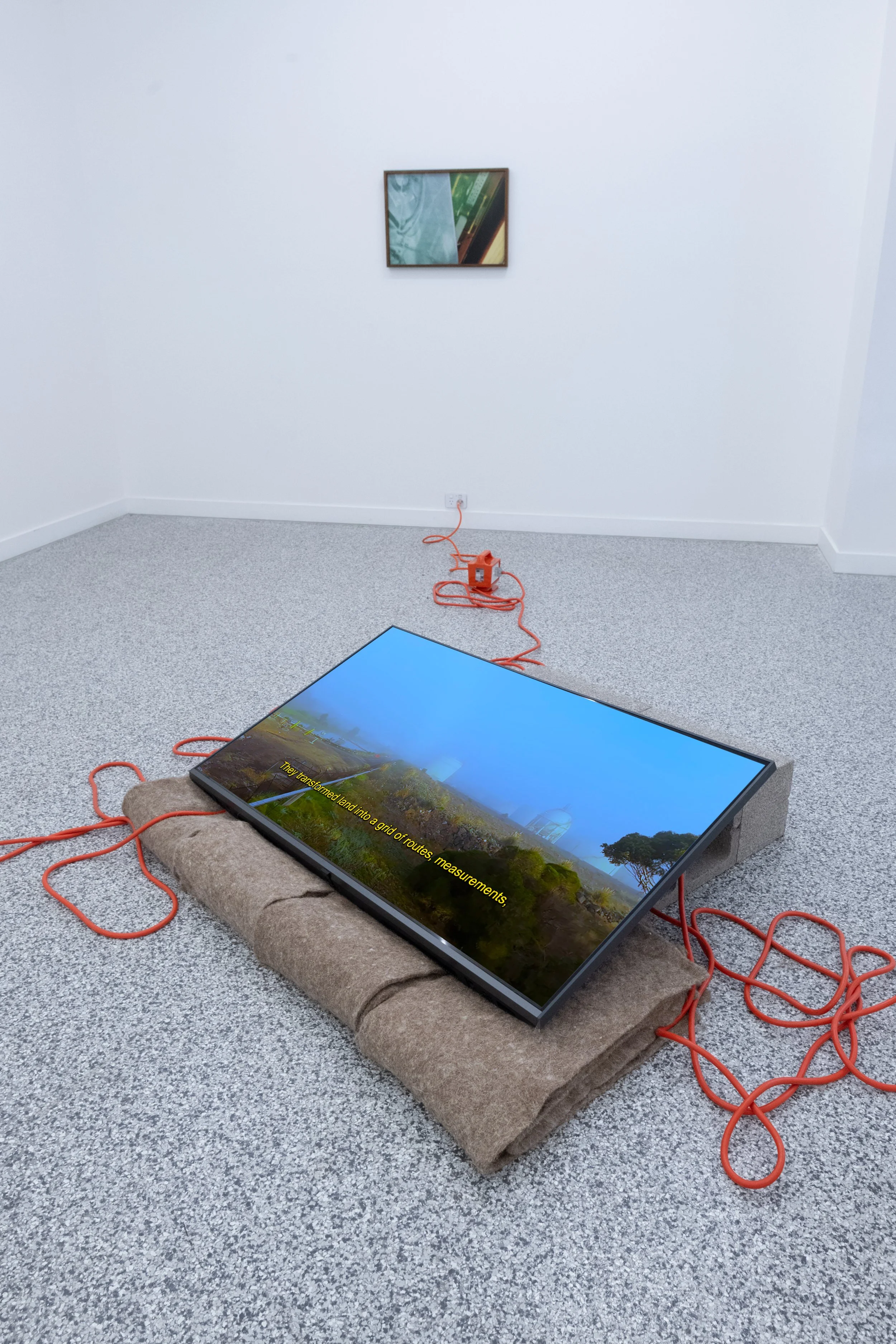
The third and final chapter of Matter & Spirit brings together Rachel Rovira and Katie Paine, closing the project with two studies of infrastructure and time, situated within this settler colony we call Australia. It's interesting because time itself, how we experience it now, was and remains a colonial technology, standardised and broadcast to order commerce and movement across empire. It's almost impossible to imagine any other way. The exhibition takes its name, Timeball, from something embedded in Katie's research yet curiously absent from the show itself. At Point Gellibrand in Williamstown, a time ball dropped from its tower at precisely one o'clock each day, broadcasting local time so that ships in the harbour could correct their chronometers before heading back out to sea, instruments that were themselves part of a global system of navigation oriented around Greenwich. Rachel's work carries a version of this same impulse, in the regimented schedules of gates opening and closing, irrigation systems triggered by timers, and the daily rhythms of maintenance work that keep a festival site running to time for its public.
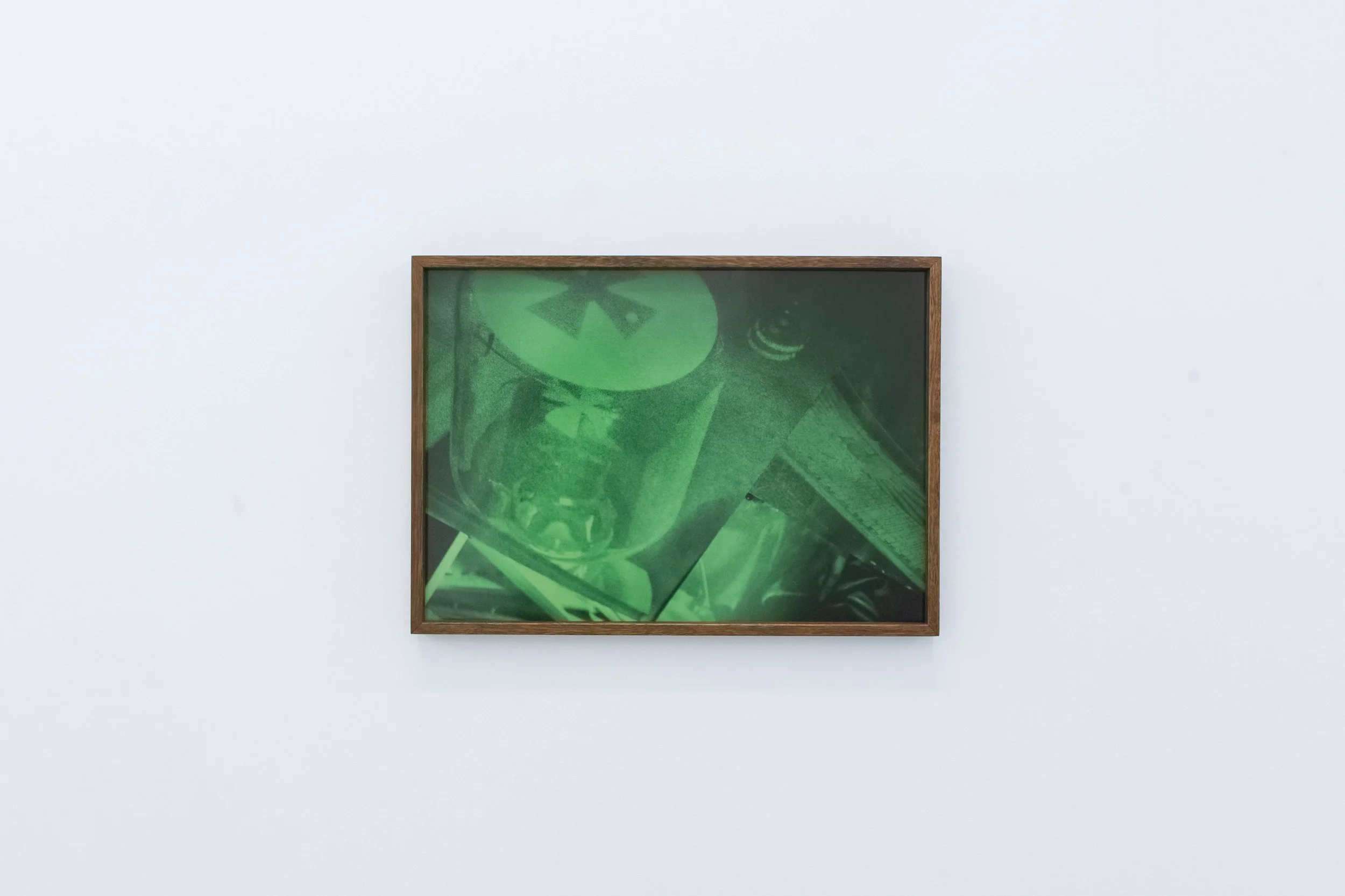
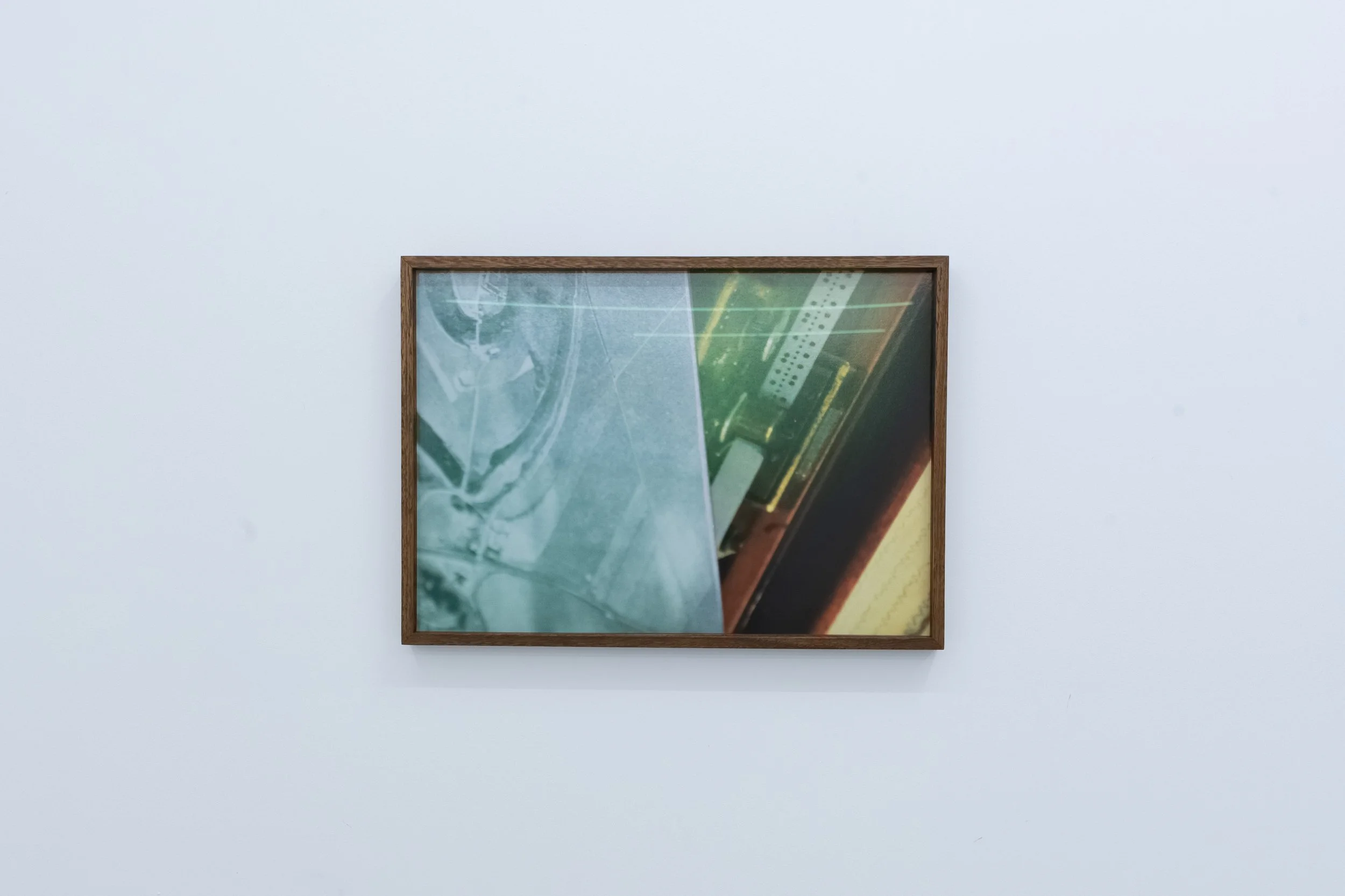
In Timeball, Katie's work draws on archival research into Hobson's Bay, tracing how telegraphy, maritime timekeeping and early rail worked to order land, labour and empire, and how these technologies persist by shapeshifting. Their cable routes now carry the fibre optic networks of a new kind of empire. Rachel's work also looks at how landscapes are continually produced through entangled histories of labour, infrastructure, ecology and use. The work she has made for this exhibition emerges from her time on the maintenance crew at a festival in Adelaide over the summer, tracking the rhythms and routines of a temporary site. In Rachel's work, maintenance emerges as an ongoing negotiation with forces that exceed control, where human intention encounters weather, growth, deterioration and the agency of matter itself. Both Katie and Rachel are asking who controls time, who controls place, and what happens when those systems of order and control degrade, or transmute into something else entirely.